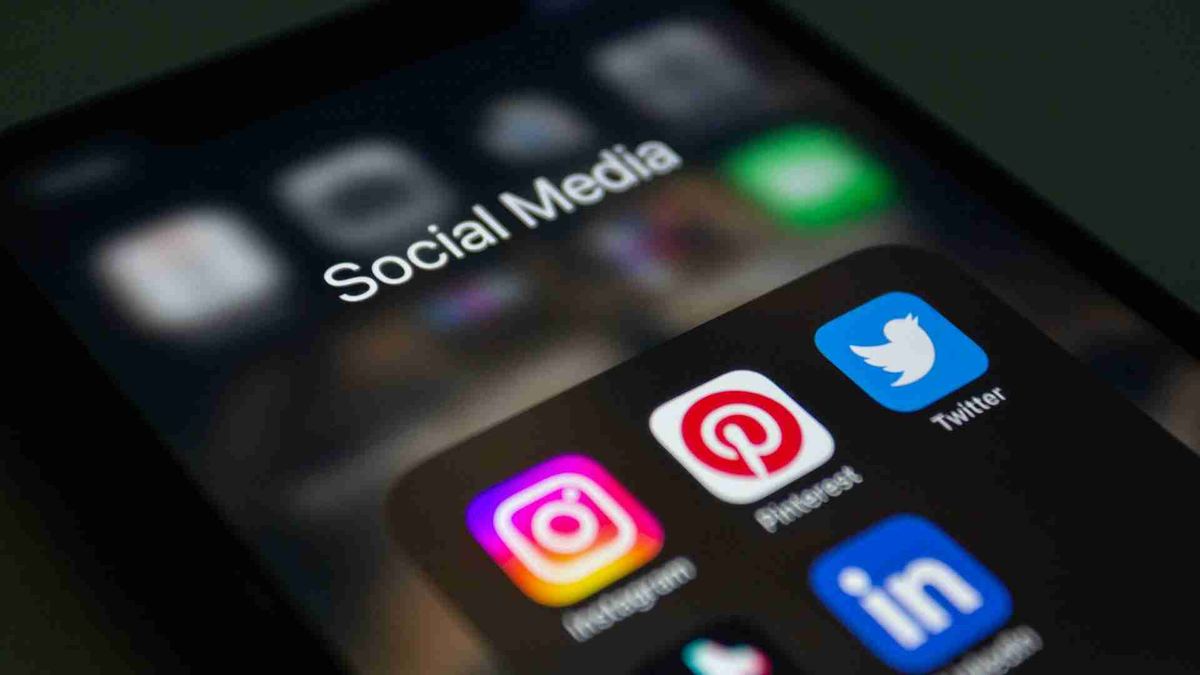
The Most Popular Social Media Platforms: A Guide to Growing Your Audience

There are billions of people interacting on social media every minute, but which platforms hold the highest odds of success for brands?
If you’re a business owner in 2024, knowing where your audience spends their time online is one of the first (and most critical) steps in building an effective marketing strategy. These digital hangouts are continuously shaping how we connect and interact – and you need to be in the right place at the right time.
At Smash Creative, we love crafting unique digital marketing and branding strategies. Our goal? To see your business shine by staying ahead of social media trends and building powerful online presences. When our clients succeed, that’s when we’re happiest!
In today’s article, we’re ranking the top social media platform players by active user numbers and diving into their standout features and trends. Whether you’re aiming to connect, create, or expand your reach, this guide will show you where to concentrate your efforts.
So buckle up: we’ve got a lot to cover!
1. Facebook
User Base: 3.065 billion monthly active users
Facebook, established in 2004 by Mark Zuckerberg and his Harvard classmates, has evolved into a leading, ever-present social media platform worldwide. As a pioneer in the social networking space, Facebook offers a diverse array of features that allow individuals to connect, share, and engage with content in myriad ways.
Key Features
From a branding perspective, the platform’s robust advertising capabilities make it a powerful tool for businesses looking to reach targeted audiences. At the same time, its continuous innovation, such as the introduction of Facebook Live, Marketplace, and virtual reality integration through Oculus, keeps it at the forefront of the digital landscape.
Despite facing challenges related to privacy and misinformation, Facebook remains a dominant force in shaping online interactions and community building across the globe.
Usage Trends
In recent years, Facebook usage trends have certainly shifted, reflecting broader changes in how people interact with social media. Younger users are increasingly gravitating towards platforms like Instagram and TikTok, while Facebook continues to see strong engagement among older demographics.
The rise of video content has influenced Facebook’s development of features like Stories and Watch, catering to the growing demand for short-form and live video. Additionally, there has been a noticeable increase in the use of Facebook Groups, fostering niche communities and more intimate forms of interaction.
When to Market Here
In our opinion, brands should use Facebook to connect with their audiences when aiming to reach (1) broad and (2) diverse demographics, particularly adults aged 25-54. This represents a significant portion of the platform’s user base.
For instance, consumer goods companies can benefit from Facebook’s extensive advertising tools to launch targeted campaigns, such as Procter & Gamble’s successful use of Facebook ads to promote their Tide laundry detergent during key shopping seasons.
Additionally, local businesses, such as restaurants and boutiques, can utilize Facebook’s location-based features and events to attract nearby customers and promote local events, enhancing their visibility and customer relationships.
The bottom line: Facebook is kind of like the granddaddy of social media. It’s often underestimated and a little… out of it… but it’s still very present and important. Use it to cast a broad net in a diverse, colorful sea.
2. YouTube
User Base: 2.504 billion users
Founded in 2005 and acquired by Google in 2006, YouTube continues to be the go-to platform for video content, appealing to a global audience. Its extensive library and diverse content keep users engaged and returning for more.
Key Features
YouTube’s vast reach and enormous content library make it a go-to destination for viewers of all ages and interests. At the same time, its monetization options, including ads, channel memberships, and Super Chat, empower creators to earn revenue while engaging with their audiences.
Additionally, features like YouTube Live, Shorts, and Community posts enhance interactivity and real-time connection.
Usage Trends
YouTube’s popularity spans all age groups, with users watching over one billion hours of video daily. As video consumption continues to rise, YouTube remains at the forefront, continually evolving to meet the demands of creators, viewers, and advertisers alike.
Leveraging YouTube’s search and recommendation algorithms can significantly boost your content’s visibility, making YouTube a powerful tool for expanding marketing reach.
When to Market Here
This might sound like a bit of a “duh” moment, but brands should use YouTube to connect with their audiences when they aim to heavily leverage the power of video.
For example, technology companies like Apple and Samsung effectively use YouTube to launch new products through live-streamed events and detailed product demos, reaching millions of viewers worldwide. Beauty brands, such as Sephora, utilize YouTube tutorials and influencer partnerships to showcase makeup techniques and product reviews, building trust and engagement with their audience.
Even educational institutions and online learning platforms, like Khan Academy and Coursera, offer valuable content on YouTube to reach a global audience hungry for knowledge.
Additionally, YouTube’s robust analytics and targeted advertising options allow brands to reach specific demographics, ensuring their content is seen by the right people.
TLDNR: YouTube should be your brand’s central hangout if you’re using a lot of video content for very targeted groups.
3. Instagram
User Base: 2.000 billion users
If Facebook is the social media granddaddy, Instagram is its trusted and always-around Millennial daughter.
This platform, launched in 2010 and acquired by Facebook in 2012, rapidly ascended to become one of the leading social media platforms. Known for its visually-driven content, Instagram excels in fostering a highly engaging user experience. The platform’s emphasis on aesthetic appeal and creativity makes it particularly popular among younger demographics, influencers, and brands.
Key Features
Features such as IGTV, Shopping, and Live provide diverse avenues for content creation and interaction, enabling users and businesses to connect with audiences in innovative ways. Instagram’s powerful advertising tools and algorithmic feed ensure that users discover relevant content, while its community-focused elements, such as hashtags and Explore, facilitate broader engagement.
Usage Trends
As a trendsetter in social media, Instagram continues to shape how users share and consume visual content, making it a pivotal platform for personal expression and brand marketing. However, its usage trends are evolving, too.
One prominent trend is the rise of short-form video content, with features like Reels gaining immense popularity, driven by the success of TikTok (which we’ll talk about in a minute). Users and brands alike are leveraging Reels to create engaging, snackable content that captures attention quickly.
The platform has also seen a surge in e-commerce activities, with Instagram Shopping allowing users to discover and purchase products directly through posts and Stories. Influencer marketing continues to thrive, as brands collaborate with influencers to reach targeted audiences authentically.
When to Market Here
Instagram is your space if you want to leverage visual imagery for strong engagement rates amongst younger demographics, particularly female-identifying Millennials.
For instance, fashion brands like Nike and H&M excel heavily on Instagram by showcasing their latest collections through visually appealing posts, Stories, and Reels, often collaborating with influencers to amplify their reach. Beauty companies like Glossier utilize Instagram’s interactive features, like polls and Q&A stickers in Stories, to engage with their community and gather real-time feedback.
Additionally, lifestyle and travel brands, such as Airbnb, harness the power of user-generated content by encouraging customers to share their experiences, creating a vibrant and authentic content ecosystem.
By tapping into Instagram’s diverse features and visual storytelling capabilities, you can create meaningful connections with your audience that drive real loyalty and growth.
4. WhatsApp
User Base: 2.000 billion users
WhatsApp, acquired by Facebook in 2014, has emerged as a leading social media platform for brands seeking to enhance customer engagement through direct, personal communication. It provides a unique opportunity for businesses to connect with customers in a secure and conversational environment.
Key Features
Brands can leverage WhatsApp Business accounts to streamline customer service, manage inquiries, and offer support in real time. Features such as automated replies, catalog displays, and personalized messages enable brands to provide tailored experiences and address customer needs efficiently.
Additionally, WhatsApp’s end-to-end encryption ensures privacy, fostering trust between businesses and customers. As a platform that blends social interaction with practical communication, WhatsApp offers brands a powerful tool for building relationships, managing customer experiences, and driving engagement through direct, meaningful conversations.
Usage Trends
WhatsApp’s reliability and widespread adoption make it indispensable for communication. And boy, if there isn’t a lot of communication happening on this platform! Approximately 100 billion messages are sent on WhatsApp every day!
For companies, this means countless opportunities to engage customers, offer timely support, and build strong relationships. WhatsApp’s extensive use highlights its importance as a tool for encouraging effective and constant communication with clients and customers alike.
When to Market Here
Need to talk to your audience more? This is the place to do it.
WhatsApp gives your brand the chance to offer personalized customer service, facilitate direct communication, and engage in real-time interactions. For instance, e-commerce brands like Zara and ASOS utilize WhatsApp for customer support, allowing customers to track orders, resolve issues, and receive personalized recommendations directly through the app.
Additionally, companies in the food industry, like Domino’s Pizza, employ WhatsApp to streamline ordering processes, handle delivery inquiries, and offer promotions.
By incorporating WhatsApp into their communication strategies, brands can deliver efficient, responsive service and build stronger, more intimate relationships with their customers.
5. TikTok
User Base: 1.582 billion users
Meet the hip younger social media sister who blitzed into the world less than a decade ago. TikTok, launched in 2016 by ByteDance, has rapidly ascended to become a leading social media platform renowned for its short-form video content and viral trends.
Key Features
We all know TikTok is infamous for its short-form videos and live streams, but there’s more to this social media app.
TikTok distinguishes itself through its algorithm-driven feed, which curates personalized content based on user interactions, making it a powerful tool for both creators and brands. The platform’s emphasis on creativity and entertainment encourages users to engage with a diverse range of content, from dance challenges and comedic skits to educational clips and trendsetting memes.
TikTok’s unique features, such as its extensive music library, editing tools, and duet functionality, foster a dynamic environment where content can quickly gain traction and reach wide audiences.
Usage Trends
High user engagement, particularly among younger Gen Z, keeps TikTok heavily influential. In fact, most users spend an average of 52 minutes per day on TikTok. This high engagement offers businesses a chance to connect with a younger audience and enhance their brand presence in a fun and lively environment.
When to Market Here
If you’re trying to reach the most trend-savvy users out there, your brand MUST be on TikTok. This is where the majority of young (and young-ish) people are spending their scrolling hours.
For instance, fashion and beauty brands, such as Gymshark and Sephora, use TikTok to showcase product tutorials, styling tips, and behind-the-scenes content, effectively tapping into the platform’s trend-driven and visually engaging environment. Additionally, businesses looking to foster brand loyalty and community can use TikTok to interact directly with users through live streams and Q&A sessions, making the brand feel more accessible and relatable.
By harnessing TikTok’s unique content formats and trend-based culture, brands can create impactful campaigns that resonate with a younger audience, drive engagement, and enhance their overall digital presence.
6. Telegram
User Base: 900 million users
Telegram, launched in 2013 by Pavel Durov, has emerged as a prominent social media platform known for its focus on privacy, security, and versatility. For brands, Telegram offers unique opportunities to engage with audiences through features such as channels, groups, and bots.
Key Features
With secure messaging, channels, groups, and bots, Telegram caters to both individual and group interactions. Channels allow businesses to broadcast messages to an unlimited number of subscribers, ideal for sharing updates, promotions, and content with a broad audience. Groups facilitate community-building and customer support, enabling real-time interactions and discussions.
Telegram bots can also automate tasks, provide personalized customer service, and streamline engagement with users. Additionally, Telegram’s emphasis on encryption and user control builds trust and allows brands to offer a secure communication environment.
Usage Trends
In an era of growing privacy concerns, Telegram has seen a 40% increase in active users. As a social platform, it enables businesses to engage with a broad audience and increase brand visibility. Its commitment to security and robust features have made it a top choice for many looking for reliable communication.
Businesses benefit from this trust, as users are more likely to engage with brands they feel secure interacting with.
When to Market Here
Telegram is a prime social marketing option if you’re looking to make your BIG audience feel super safe.
For example, media companies like Forbes and The Guardian use Telegram channels to deliver news updates and exclusive content directly to subscribers, capitalizing on the platform’s ability to handle large audiences efficiently. Tech companies, such as Microsoft, employ Telegram groups to engage with developer communities, provide support, and gather feedback on products.
Through Telegram’s unique features, you can create a more secure, interactive, and responsive communication strategy, catering to audiences who specifically value privacy and direct engagement more than they do the latest dance trend.
7. Snapchat
User Base: 800 million users
Snapchat, launched in 2011, is where fun meets creativity, especially for younger users in the social media space. Its playful nature keeps business marketing fresh and exciting while its ephemeral content appeals to a younger demographic than most platforms.
Key Features
Snap Stories allow you to create timely content that feels personal and exclusive. Another feature businesses can utilize is Snap Map, which proves to enhance local visibility. This makes it easier for nearby customers to discover your business.
AR lenses bring your brand to life with interactive experiences that users love to share. The Discover option is your chance to tell your brand’s story in a space where users are actively seeking engaging content.
These quirky tools help build a more authentic connection with a younger, highly engaged audience, driving both awareness and loyalty.
Usage Trends
Snap’s augmented reality and location-based features keep it buzzing with activity. As a major social platform, Snapchat enables businesses to engage with a broad audience and increase brand visibility.
Over 4 million Snaps are generated every day, capturing just how much users keep the Snapchat app in close range.
This high engagement offers a great opportunity to connect with a younger, active audience that loves interactive and visually appealing content.
When to Market Here
Snapchat might as well be the local high school hangout in your town. It connects deeply with young audiences through interactive and visually appealing content – and of course, the deep-seated fear of missing out (FOMO).
So, if you’re trying to hit up teens, tweens, and college students, this is your game.
Fashion brands like Adidas and Gucci use Snapchat’s AR lenses and filters to create immersive experiences that allow users to virtually try on products or participate in branded challenges. Restaurants and food brands, such as Taco Bell and Dunkin’, leverage Snapchat’s short-lived content and geofilters to promote limited-time offers and special events, encouraging users to share their experiences in real time.
Additionally, companies like Red Bull utilize Snapchat’s Stories and Discover features to showcase high-energy, action-packed content that aligns with their brand identity.
Snapchat’s slogan might as well be “here for a good time, not for a long time.” If you want hard-hitting content that draws young people in quickly and then disappears, you need a Snapchat marketing plan.
8. X (formerly Twitter)
User Base: 611 million users
To return to our family analogy, X is like the eccentric uncle you see a few times a year with a wild past. It was recently rebranded from the name Twitter, and it’s known for its hot-take communication options, brevity, and public discourse.
Key Features
Some popular X features include:
- Microblogging
- Trending topics
- Spaces
- Fleets
- Direct messages
- Lists
- Polls
- Hashtags
- Moments
Microblogging lets you share quick, impactful updates on your company. Trending topics help you join and influence popular conversations. Spaces are perfect for live audio discussions, while Fleets allow for temporary, eye-catching content.
All of these tools have one thing in common: They help brands stay relevant and keep the conversation lively with their audience.
Usage Trends
With around 500 million tweets posted daily, X is buzzing with activity. As one of the major social platforms, engaging in real-time conversations helps businesses build a sense of community, keeping your brand at the forefront of public discourse.
The platform also provides targeted advertising options, including promoted tweets and trends, to amplify brand messages and drive specific actions. With its focus on immediacy and public engagement, X enables brands to connect with their audience dynamically, foster brand conversations, and stay relevant in fast-moving digital landscapes.
When to Market Here
X (Twitter) is great at helping brands do three crucial things: participate in real-time interactions, join trending conversations, and manage customer service efficiently.
For instance, companies like Wendy’s and Nike effectively use X to join viral conversations and respond to customer queries swiftly, demonstrating their brand personality and enhancing customer engagement. During major events or crises, such as product launches or breaking news, brands can leverage X to provide timely updates and engage with their audience directly.
X’s unique format and real-time nature make it an ideal platform for brands seeking to maintain an active presence and connect with their audience on a truly moment-to-moment basis.
9. Pinterest
User Base: 498 million users
Pinterest, launched in 2010, is the ultimate social media platform for visual discovery and inspiration, known for helping users organize and share creative ideas effortlessly. It’s a favorite among those looking for fresh ideas and creative projects, as well as type-A planners who like to think and dream ahead.
Key Features
For brands, Pinterest offers a unique opportunity to engage with users who are actively seeking ideas and planning future projects. The platform’s emphasis on visual content makes it ideal for brands in industries such as home decor, fashion, and food, where high-quality images and creative ideas can drive user engagement and brand discovery.
Pinterest’s Pins and Boards allow businesses to showcase their products and services in a visually appealing manner, while its advertising solutions, including Promoted Pins and Shopping Ads, enable brands to target specific audiences based on interests and search behavior.
Additionally, the platform’s integration with search functionality helps brands capture users at various stages of the planning and decision-making process.
Usage Trends
As a major social platform, Pinterest enables businesses to engage with a broad audience and increase brand visibility, seeing over 5 billion searches per month as users seek inspiration for their projects and interests.
Engaging with this creative community allows brands to build a loyal following and convert inspiration into action, driving traffic.
When to Market Here
If you’re a brand that’s in the business of inspiration and “aesthetics,” you need to be on Pinterest.
For example, home decor brands like Pottery Barn and IKEA utilize Pinterest to showcase design ideas, DIY projects, and product collections, tapping into users who are actively seeking inspiration for their spaces. Fashion and beauty brands, such as Lululemon and Sephora, leverage Pinterest to create style guides, tutorials, and trend forecasts, helping users discover and plan their purchases.
Even food and beverage companies like Tasty and Starbucks use Pinterest to share recipes, cooking tips, and seasonal promotions, encouraging users to explore new culinary ideas and engage with their brands.
Pinterest’s robust search and discovery features allow all types of brands to connect with users who are in the planning and inspiration phase. You can drive traffic, get your name out there, and reach people at JUST the right point in their digital lives.
Let Us Help You Stand Out
In 2024, all of these social media platforms offer endless opportunities to connect and grow your audience. Whether you’re sharing creative ideas on Pinterest or engaging in real-time conversations on X, each platform has something unique to offer.
The key? Finding your niche in an oversaturated online world.
But don’t worry, that’s what we’re here to help with! The Smash Creative team excels in boosting online presence with cutting-edge website design, tailored marketing strategies, and a knack for making brands stand out in just the right ways.
Contact us today and let’s get started on transforming your digital strategy.
Ready to Smash It?
Let's turn your brand into something unforgettable. Get in touch with our team today.