Commercial Video Production Michigan: What a Shoot Involves
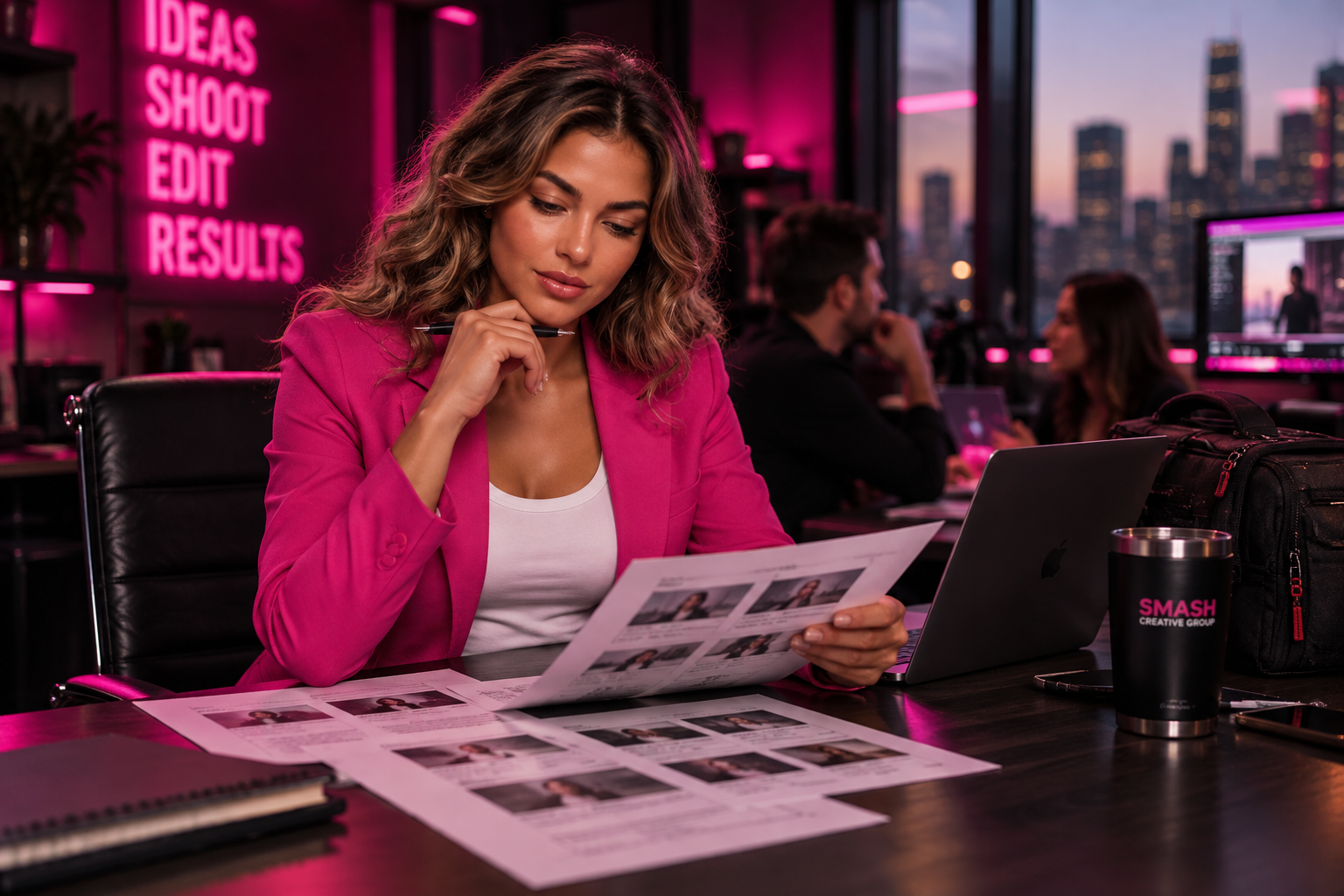
If you’re searching for commercial video production michigan, you probably want to know what your business actually needs to do before the cameras arrive. A good commercial shoot is a planned business project, not just a day of filming. Here’s what happens, what your team should prepare, and how to get useful brand video and photography without disrupting your entire operation.
Start with the job the video needs to do
Before choosing locations or talking about drones, define the audience and the action you want them to take. A manufacturer recruiting skilled workers needs a different story than a contractor trying to book estimates. Trying to cover recruitment, sales, company history, and every service in one short video usually weakens all of them.
Write a simple brief that answers four questions:
- Who is watching? Name a specific customer or candidate, not “everyone.”
- What should they understand? Pick one main message.
- What proves it? Identify real people, processes, products, or customer experiences you can show.
- What happens next? Choose a clear action, such as requesting a quote or visiting a service page.
For example, a machine shop might show inspection procedures and experienced operators to support a message about precision. That gives the production team something concrete to capture. Our branding and marketing video services start with that connection between business purpose and visual proof.
Understand what drives the scope and quote
Runtime alone does not determine production cost. A polished 30-second commercial with multiple locations, actors, and detailed lighting can require more work than a longer interview-led brand video.
The biggest scope variables include crew size, filming days, travel, locations, talent, equipment, animation, photography, and the number of final versions. Ask whether the estimate includes scripting, captions, music licensing, revisions, and exports for different platforms.
Ask for a deliverables list, not just “one video.” A useful scope might specify one main brand film, three short edits, horizontal and vertical versions, and a defined set of edited photographs. Confirm whether those short edits are simple excerpts or separate stories requiring additional editing.
Also clarify ownership and usage. Raw footage, project files, music, and talent permissions may have different terms. Get those details in writing before filming, especially if you plan to run paid advertising.
Prepare your Michigan location and people
A location scout or detailed walkthrough helps identify problems while they are still inexpensive to solve. A room that looks great may have loud ventilation, reflective windows, or nowhere to position lights. A busy production floor may need a separate quiet space for interviews.
Michigan weather deserves a backup plan. Snow, rain, wind, and short winter daylight can affect exterior shots, travel, and sound. If the exterior matters to the story, agree on an indoor alternative or a weather rescheduling policy rather than hoping conditions cooperate.
- Confirm access, parking, loading areas, power, and any location permissions or permits.
- Clear confidential documents, customer information, and outdated signage from view.
- Schedule employees and notify customers if filming affects normal operations.
- Arrange appropriate appearance releases and confirm permission to feature customer locations.
- Review PPE, restricted areas, and safety rules with the crew.
Give employees talking points rather than forcing everyone to memorize a script. Ask them to explain what they do, why it matters, and what customers commonly misunderstand. Specific answers sound more credible than rehearsed claims about being the best.
Commercial video production Michigan: what happens on set
The crew usually begins with unloading, a walkthrough, and lighting and sound setup. That preparation is real production work. Cameras rarely start rolling the moment the crew arrives.
A typical shoot follows a sequence like this, adjusted around your operations:
- Setup and checks: Confirm framing, lighting, microphones, background activity, and safety.
- Interviews or scripted scenes: Capture the essential message while key people are available.
- Supporting footage: Film equipment, products, teamwork, customer interactions, and details that demonstrate the story.
- Photography blocks: Capture planned portraits, team images, process photos, and product shots.
- Final checks: Review the must-have shot list before people leave or locations change.
Expect multiple takes. A clean delivery, a better camera angle, or a background interruption may require another pass. That is normal, not a sign that someone performed badly.
Assign one person from your business to answer questions and approve practical decisions. They should know which processes are accurate, which areas are off-limits, and who can solve access problems. Keeping that person available prevents a surprising amount of wasted time.
Plan photography as its own deliverable
Combining brand video and photography can reduce duplicate scheduling and location preparation. But photos should not be treated as something the crew squeezes in between scenes.
Still photography needs its own shot list, time, and sometimes different lighting or a dedicated photographer. Pulling frames from video may work for occasional uses, but it is not a dependable replacement for high-resolution portraits, product photography, or print-ready images.
Identify where the photographs will appear. Website banners need room for headlines. Team pages need consistent portraits. Social posts often need vertical compositions. Capture those variations intentionally.
Our guide to building a video marketing strategy around one shoot day explains how to plan multiple uses without cramming unrelated content into one production.
Know what happens after filming
Post-production includes organizing footage, building the story, selecting music, editing, color correction, sound cleanup, and preparing exports. Depending on the scope, it may also include graphics, captions, or voiceover. Agree on review dates and final delivery timing before the shoot.
Choose one internal reviewer to consolidate feedback. “At 00:24, replace this equipment shot because that model is discontinued” is useful. Conflicting comments from five departments are not.
Approve the story before requesting every format variation. Late structural changes can multiply work across short edits and platform versions. For YouTube delivery, YouTube’s recommended upload encoding settings provide a practical technical reference.
For website use, consider loading speed as well as picture quality. The web.dev guide to video performance explains why video delivery choices matter. Keep a high-quality master, then prepare files suited to each destination.
The Smash Take
A strong commercial shoot makes your business easier to understand and trust. The camera matters, but the brief, preparation, and delivery plan do much of the heavy lifting.
Start with one clear message, protect time for photography, and know exactly what you’re getting. If you want help shaping a Michigan shoot around your actual business needs, start a conversation with Smash.
Frequently Asked Questions
How much does commercial video production cost in Michigan?
There is no useful single price without a scope. Crew size, locations, shoot days, talent, photography, and editing requirements all affect the quote. Ask for an itemized proposal that defines final videos, format variations, revisions, licensing, travel, and any additional charges. Comparing those details is more reliable than comparing runtime alone.
How long does a commercial video shoot take at a business?
A focused interview and supporting footage may fit into a half-day, while multiple people, scenes, locations, and photography can require a full day or more. Setup, lighting changes, sound checks, and equipment moves all take time. Ask for a schedule built around your must-have shots and normal business operations.
Can we capture brand photography during the same video shoot?
Yes, provided photography is included in the scope and schedule. Give the team a separate photo shot list covering portraits, products, processes, and intended uses. Some projects benefit from a dedicated photographer. Do not assume video frame grabs will provide the resolution, composition, or consistency needed for every website or print application.
What should employees wear and prepare for a commercial shoot?
Employees should wear clean, role-appropriate clothing and required safety gear. Coordinate with the production team about distracting patterns, visible third-party logos, and brand consistency. Share interview topics in advance, but avoid forcing memorized answers. Employees usually come across better when explaining their work through specific examples in their own words.
What happens if Michigan weather disrupts our commercial shoot?
Agree on a weather plan before the filming date. Options include moving interviews indoors, switching the order of scenes, or rescheduling exterior footage. Your agreement should explain who makes the weather decision and whether postponement creates additional costs. Build extra flexibility into shoots that depend on outdoor sound, seasonal scenery, or daylight.
What files should we request after a commercial video shoot?
Request a high-quality final master plus versions suited to your website, advertising, and social channels. Specify horizontal or vertical formats, captions, short edits, and edited photography as needed. Raw footage and editable project files are separate considerations, so confirm their availability, cost, storage period, and usage terms before production begins.
Ready to Smash It?
Let's turn your brand into something unforgettable. Get in touch with our team today.